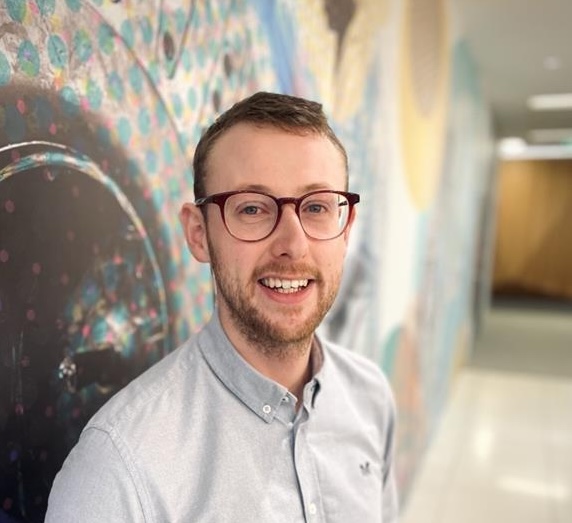
Link to speaker page
James Lang

A growing number of UX researchers are building things directly - not just influencing what others build. They're shipping apps, founding organisations, creating frameworks, designing communities. The core constraint that defines our field -our impact depends on someone else choosing to act - is dissolving. This talk looks at what these 'New Makers' are actually doing, and - warts and all - how that's going for them.
It's based on interviews with researchers who've made this shift, and centres on the honest tradeoffs. What happens when researchers trained in rigour have to ship something imperfect? When "researcher" no longer describes what you do? When building something real means giving up things you valued about the advisory role? The constraints of influence are swapped for the constraints of shipping something and being accountable for it: quality, maintainability, prioritisation and so on.
The talk introduces five modes of making to help the audience locate themselves on a spectrum, then explores the perplexities that emerge as you move further from advising toward owning. There's no 'must' or 'should' in it - it's an honest accounting of what a group of researchers found when they walked through a door that's only recently opened: what they're learning and how it's changing them.
A growing number of UX researchers are building things directly - not just influencing what others build. They're shipping apps, founding organisations, creating frameworks, designing communities. The core constraint that defines our field -our impact depends on someone else choosing to act - is dissolving. This talk looks at what these 'New Makers' are actually doing, and - warts and all - how that's going for them.
It's based on interviews with researchers who've made this shift, and centres on the honest tradeoffs. What happens when researchers trained in rigour have to ship something imperfect? When "researcher" no longer describes what you do? When building something real means giving up things you valued about the advisory role? The constraints of influence are swapped for the constraints of shipping something and being accountable for it: quality, maintainability, prioritisation and so on.
The talk introduces five modes of making to help the audience locate themselves on a spectrum, then explores the perplexities that emerge as you move further from advising toward owning. There's no 'must' or 'should' in it - it's an honest accounting of what a group of researchers found when they walked through a door that's only recently opened: what they're learning and how it's changing them.
We’d love to hear it (and any other questions, wishes or suggestions you have).